


Pancreatic Cancer Treatment in Bangalore

Overview – Pancreatic Cancer Treatment in Bangalore

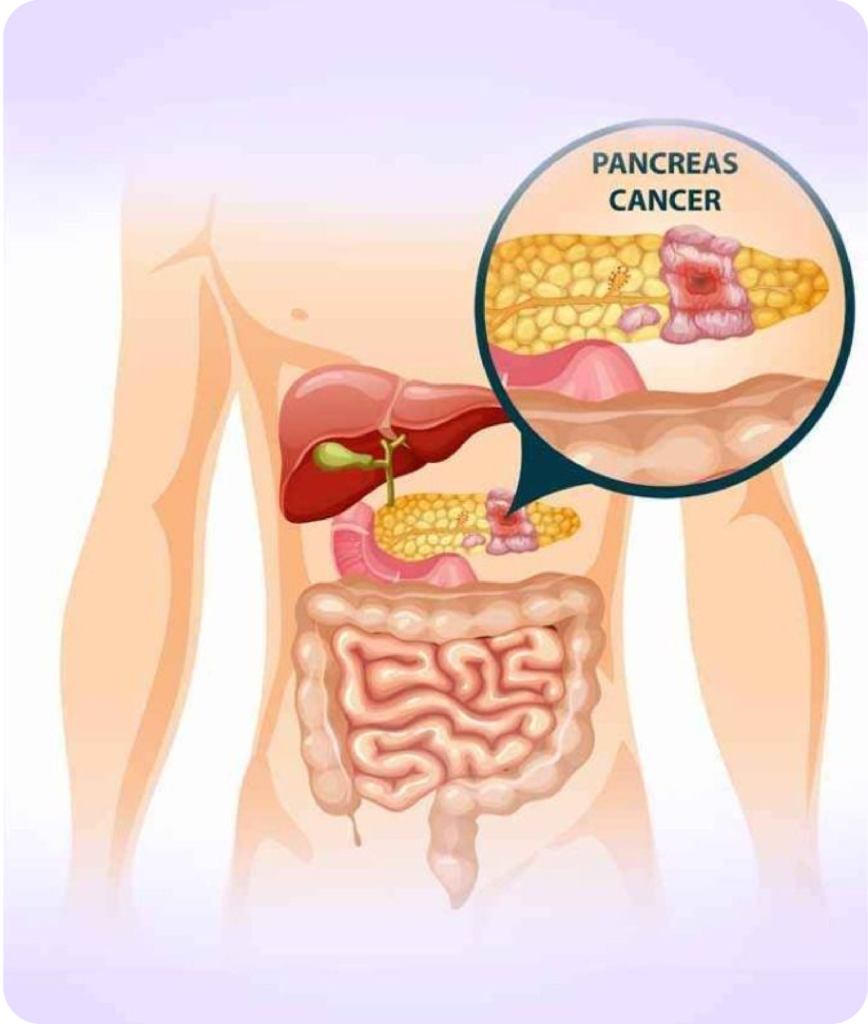
Pancreatic Cancer originates from the pancreas; a key organ located behind the stomach. The pancreas has a dual role. Its exocrine function secrets digestive enzymes via ducts into the small intestine that helps to break down food while its endocrine function releases hormones into the bloodstream to control blood sugar levels.

Tumours usually can develop either from exocrine cells or endocrine cells resulting in obstruction of the pancreatic duct or hormonal imbalances.

With the help of specialized GI oncology care from Dr. Pavan Sugoor in Bangalore, one of the leading surgical oncologists with over 16 years mastering complex pancreatic resections, Dr. Pavan Sugoor ensures you get the right treatment for quick recovery.​

What Are the Symptoms of Pancreatic Cancer?

Here are some of the early symptoms of pancreatic cancer:

  • New-onset diabetes from islet cell destruction 
  • Mild abdominal pain radiating to the back ​
  • Bloating or indigestion after meals due to enzyme deficiency​
  • Loss of appetite stemming from tumor-related hormonal disruptions​
  • Fatigue ​
  • Unexplained weight loss despite unchanged diet ​
  • Jaundice (yellowish discoloration of skin and eyes) due to bile duct blockage​

Advanced symptoms:

  • Severe back pain ​
  • Fluid collection in the abdomen 
  • Swelling in the neck

What Are the Risk Factors for Pancreatic Cancer?

Multiple intertwined factors elevate pancreatic cancer risk like:

  • Smoking 
  • Heavy alcohol intake 
  • Diets high in processed red meats 
  • Chronic pancreatitis 
  • Genetic or hereditary risks
  • Occupational exposures to pesticides, dyes, or benzene 
  • Risk surges after age 65 with median diagnosis at 70

Types of Pancreatic Cancer

Pancreatic cancers divide into:

Exocrine pancreatic cancers (most common): These arise from enzyme-secreting acinar and ductal cells. These tumours are generally aggressive and are treated with surgery with or without chemotherapy

  • Pancreatic ductal adenocarcinoma (PDAC)
  • Acinar cell carcinoma
  • Adenosquamous carcinoma

Neuroendocrine tumors (NETs):

  • Functional NET’s: Produce insulin (insulinoma) or gastrin (gastrinoma) and cause hypoglycemia and ulcers respectively, have slower growth rates, often treated with surgical intervention with or without other treatment modalities. 

How Is Pancreatic Cancer Diagnosed?

Accurate diagnosis demands multimodal assessment. 

Clinical examination:  Physicians perform thorough physical checks palpating for abdominal mass 

Imaging tests:  Modalities visualize tumor anatomy and vascular involvement critical for staging through.

  • Ultrasound 
  • Contrast CT scan 
  • MRI / MRCP 
  • PET-CT 
  • Endoscopic Ultrasound (EUS)

Laboratory tests: 

Bloodwork guides suspicion with deranged liver function tests reflecting biliary stasis and elevated tumor markers like CA 19-9 over 37 U/mL correlating with burden though nonspecific in jaundice.

Biopsy: 

Tissue confirmation is indicated in certain conditions and can be obtained safely by 

  • Endoscopy and biopsy 
  • EUS-guided biopsy samples core safely​
  • CT-guided biopsy for body/tail lesions​

Advanced diagnostics: 

Molecular profiling identifies BRCA for PARP inhibitors or MSI- status  for immunotherapy, while staging investigations like laparoscopy rule out occult peritoneal disease.​

Stages of Gall Bladder Cancer

T – Primary Tumor
T1 – Tumor ≤ 2 cm

  • T1a: ≤0.5 cm
  • T1b: 0.5–1 cm
  • T1c: 1–2 cm

T2 – Tumor > 2 cm and ≤ 4 cm
T3 – Tumor > 4 cm
T4 – Tumor involves major arteries

  • Celiac axis
  • Superior mesenteric artery (SMA)
  • Common hepatic artery (CHA)

N – Regional Lymph Nodes
N0: No regional LN metastasis
N1: 1–3 positive nodes
N2: ≥4 positive nodes

M – Distant Metastasis
M0: No distant metastasis
M1: Distant metastasis present

Pancreatic Cancer Treatment Options in Bangalore

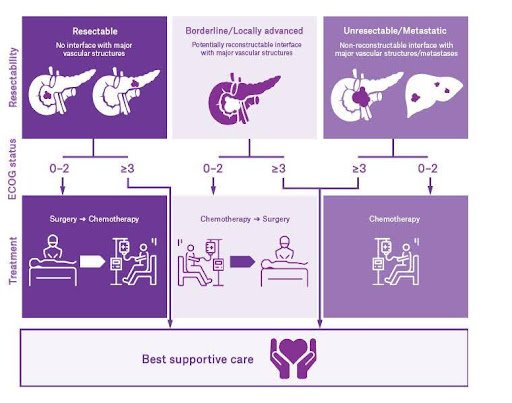
  • The neoadjuvant treatment : is indicated for the borderline resectable cancers, to achieve  downsizing of the tumour, followed by re-evaluation post-therapy. 
  • Locoregional treatments : It is for patients whose tumours are unresectable. 
  • Others: 
    • Targeting therapies, 
    • Immunotherapies.

Surgery for Pancreatic Cancer

surgeries performed for pancreatic cancers include the following:

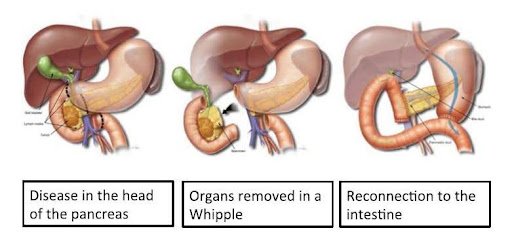
  • Whipple procedure: It’s a complex oncological procedure requiring dedicated specialist for performing a safe procedure.  It entails removal of the head of the pancreas, the duodenum, the gallbladder, Distal part of Bile duct, and part of the stomach and then reconstructing the pancreatic duct & Hepatic duct into the jejunum .
  • Distal pancreatico-splenectomy  The surgery involves removal of the tail of the pancreas and the spleen for the lesions located in the  body and tail of the pancreas..
  • Total pancreatectomy: The total pancreatectomy is often indicated to treat multifocal disease removes the entire pancreas.​

Morden approaches:

Laparoscopic surgery 

Robotics surgery 

 A laparoscopic or Robotic surgery leads to earlier patient recovery and minimises length of hospital stay. 

Other Treatment Approaches

  • Non-surgical strategies as a bridge to resection or palliative: effectively, leveraging systemic and locoregional interventions

Why Choose Dr. Pavan Sugoor for Gall Bladder Cancer Treatment in Bangalore?

Dr. Pavan Sugoor is an expert in GI oncology and pancreatic cancer surgery, with extensive training from Tata Memorial Hospital (MS MCh). He has underwent dedicated training in performing this procedure and has standardised the technique for safe surgical resection and reconstruction which has resulted in good patient outcomes. He is well-versed in Open, Laparoscopic and robotic pancreatic surgeries, for optimal results with minimal complication rates.

FAQ

TESTIMONIALS

Lorem ipsum dolor sit amet, consectetur adipiscing elit. Ut elit tellus, luctus nec ullamcorper mattis, pulvinar dapibus leo.

LATEST UPDATES & VIDEOS

Cart(0 items)

No products in the cart.