Kidney Cancer Treatment in Bangalore

Overview – Kidney Cancer Treatment in Bangalore

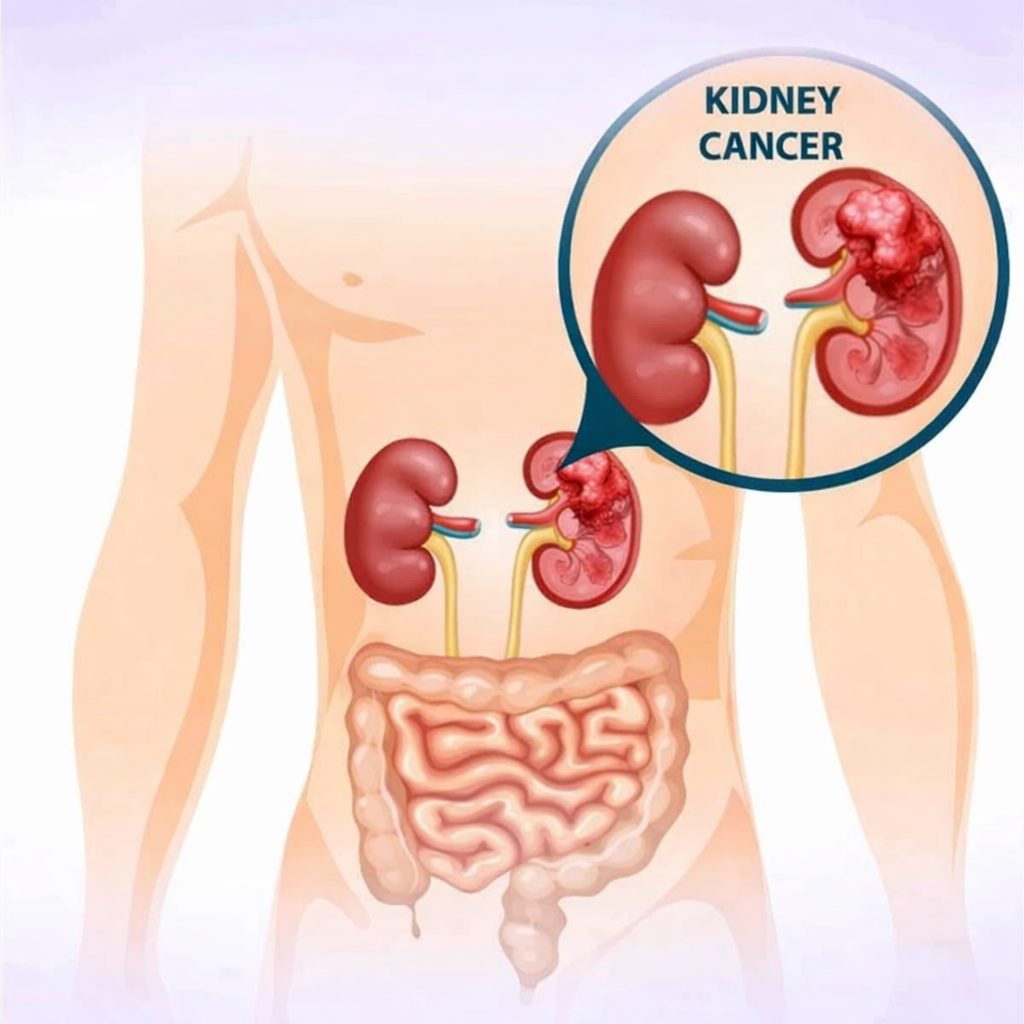
Kidney cancer is a malignant disease in which rogue cells proliferate uncontrolled in one or both kidneys, resulting in a tumour. The kidneys are the organs that filter blood and waste, balance fluids, and regulate blood pressure. 

When cancer forms in these organs, however, it can interfere with normal body functions and spread if left untreated. Kidney cancer generally arises from alterations in kidney cells’ genetic make-up that lead to an accelerated cell multiplication and thus resistance against natural cell death; genetic changes can happen as a result of lifestyle, medical or some other thing which one inherited from the bloodline. 

In many cases, kidney cancer develops silently in its initial stages, which makes early diagnosis difficult but absolutely necessary. Early detection and treatment drastically enhance outcomes. If detected early, however, renal cancer is usually localised and treatable, which makes the tumour less likely to spread to other parts of the body. 

Internationally, kidney cancer is one of the most prevalent urological cancers, particularly affecting adults aged 40 and older, with men experiencing a higher rate of occurrence. Bangalore offers state-of-the-art diagnostic facilities and specialised care, making it one of the leading locations for modern kidney cancer treatments.


What Are the Symptoms of Kidney Cancer?

The symptoms are a combination: 

Early Symptoms. Some kidney cancers have no specific clinical symptoms in early stages. They may, when they are present, include: 

  • Haematuria, or the presence of blood in the urine, can be one of the symptoms. 
  • Prolonged low back pain on one side – a lump or mass in the abdominal or flank area Fatigue
  • Unexplained weight loss

Advanced Symptoms. As the disease advances, symptoms can be even more pronounced, including:

  • Loss of appetite
  • Anemia
  • Fever not linked to infection
  • Swelling in the legs or ankles
  • Bone pain or shortness of breath may occur as cancer spreads. 

What Are the Risk Factors for Kidney Cancer?

Lifestyle Factors

  • Smoking
  • Obesity
  • Poor dietary habits
  • Lack of physical activity

Genetic Factors 

  • Family history of kidney cancer
  • Inherited syndromes (eg, von Hippel–Lindau disease)

Medical Conditions 

  • Chronic kidney disease 
  • Long-term dialysis 
  • High blood pressure 

Environmental Exposures 

  • Exposure to specific chemicals or toxins 
  • Long-term use of certain medications. 

Types of Kidney Cancer

  • RCC (Renal Cell Carcinoma) + subtypes

RCC is the most common type, accounting for the majority of cases. Subtypes include: 

  • Clear cell RCC 
  • Papillary RCC
  • Chromophobe RCC. 
  • Transitional Cell Carcinoma

Develops in the renal pelvis where urine collects before transferring to the bladder.

  • Wilms’ Tumor (if relevant)

A rare cancer of the kidney, children are most affected by this cancer type.

  • Other rare types
    Collecting duct carcinoma
    • Renal sarcoma
    • Medullary carcinoma. 

How Is Kidney Cancer Diagnosed?

To diagnose kidney cancer, a clinical evaluation and additional tests are performed.

  • Clinical examination- Scrutiny of symptoms and past medical history.
  • Imaging tests- Ultrasound, CT, MRI to detect tumors.
  • Laboratory tests – Blood and urine tests for kidney health.
  • Biopsy- Tissue sample (if necessary) examination
  • Advanced diagnostic tools- Molecular and imaging techniques for better screening.

Stages / Severity Levels of Kidney Cancer

There are various stages of kidney cancer based on TNM classification, Stage I to Stage IV


  • TNM staging or Stage I–IV

Stage I: Cancer confined to the kidney. Stage II: Bigger tumor, but still confined to the kidney. Stage III: Spread to nearby lymph nodes or blood vessels. Stage IV: Spread to distant organs. 

  • How staging affects prognosis

Staging assists in prognosis and treatment decisions. 


  • Grading (Fuhrman grade or other relevant grading systems)
    Tumor grading, for instance, the Fuhrman grading system, considers how aggressive the cancer cells are under a microscope.

Kidney Cancer Treatment Options in Bangalore

  • Overview of all available treatments


  • How treatment varies by stage, tumor size, and patient condition

Treatment varies by stage of cancer, size of tumor, overall health, and kidney function. Available options include: 

Surgery. Targeted therapy. Immunotherapy. Radiation therapy. Minimally invasive procedures. A personalized treatment plan is developed to not only achieve an optimal outcome but also keep the kidney function in place whenever possible.

Surgery for Kidney Cancer

  • Types of surgeries
  • When surgery is recommended
  • Benefits and recovery timeline

Partial nephrectomy: Surgical removal of the tumor while also keeping the kidney. 

Radical Nephrectomy: Total resection of the affected kidney. 

Laparoscopic or Robotic Surgery: A minimally invasive approach. 


When Surgery Is Recommended. Surgery is the main treatment for localized kidney cancer and some advanced cancers. 

Benefits and Recovery Timeline. – Most patients recover within a few weeks, especially with minimally invasive techniques, and can return to normal activities under medical guidance.

Other Treatment Approaches

  • Medication / Drug therapy
  • Chemotherapy (if indicated)
  • Targeted therapy
  • Immunotherapy
  • Radiation therapy (if applicable)
  • Minimally invasive procedures (e.g., ablation)

Medication / Drug Therapy: For advanced or recurrent cases. 

Chemotherapy: Limited role, specific cancer types. 

Targeted Therapy: Attacks cancer-specific pathways. 

Immunotherapy: It boosts the immune system to fight cancer. 

Radiation Therapy: Symptom relief or control of metastasis. 

Minimally Invasive: Small tumor treatment using ablation techniques.

Life After Treatment / Recovery & Follow-up Care

  • Post-treatment monitoring
  • Rehabilitation
  • Diet & lifestyle changes
  • Emotional and psychological support

For long-term health, post-treatment care is vital:

  • Frequent follow-up monitoring by means of imaging and blood work. 
  • Monitoring of renal function. 
  • Rehabilitation and physical recovery. 
  • Maintaining a healthy lifestyle and adhering to a balanced diet is crucial.
  • Emotional and psychological support for patients and families.

Why Choose Bangalore Dr Pavan Sugoor Bangalore for Kidney Cancer Treatment in Bangalore?

  • Expertise and experience
  • Areas of specialization
  • Technology & modern facilities
  • Patient success stories
  • Advantages for local patients

Dr Pavan Sugoor is a senior kidney cancer provider with experience and expertise in the management of kidney cancer and patient care. Key Advantages:

  • Extensive knowledge of advanced renal procedures. 
  • Specialised procedure to minimise invasive and organ preservation procedures. 
  • Advanced technology and modern facilities. 
  • Outcome reports and case studies from proven patients. 
  • Quality, easy care for Bangalore and local patients.

FAQ

TESTIMONIALS

Lorem ipsum dolor sit amet, consectetur adipiscing elit. Ut elit tellus, luctus nec ullamcorper mattis, pulvinar dapibus leo.

LATEST UPDATES & VIDEOS

Cart(0 items)

No products in the cart.