Liver cancer Treatment in Bangalore

Overview – Liver cancer Treatment in Bangalore

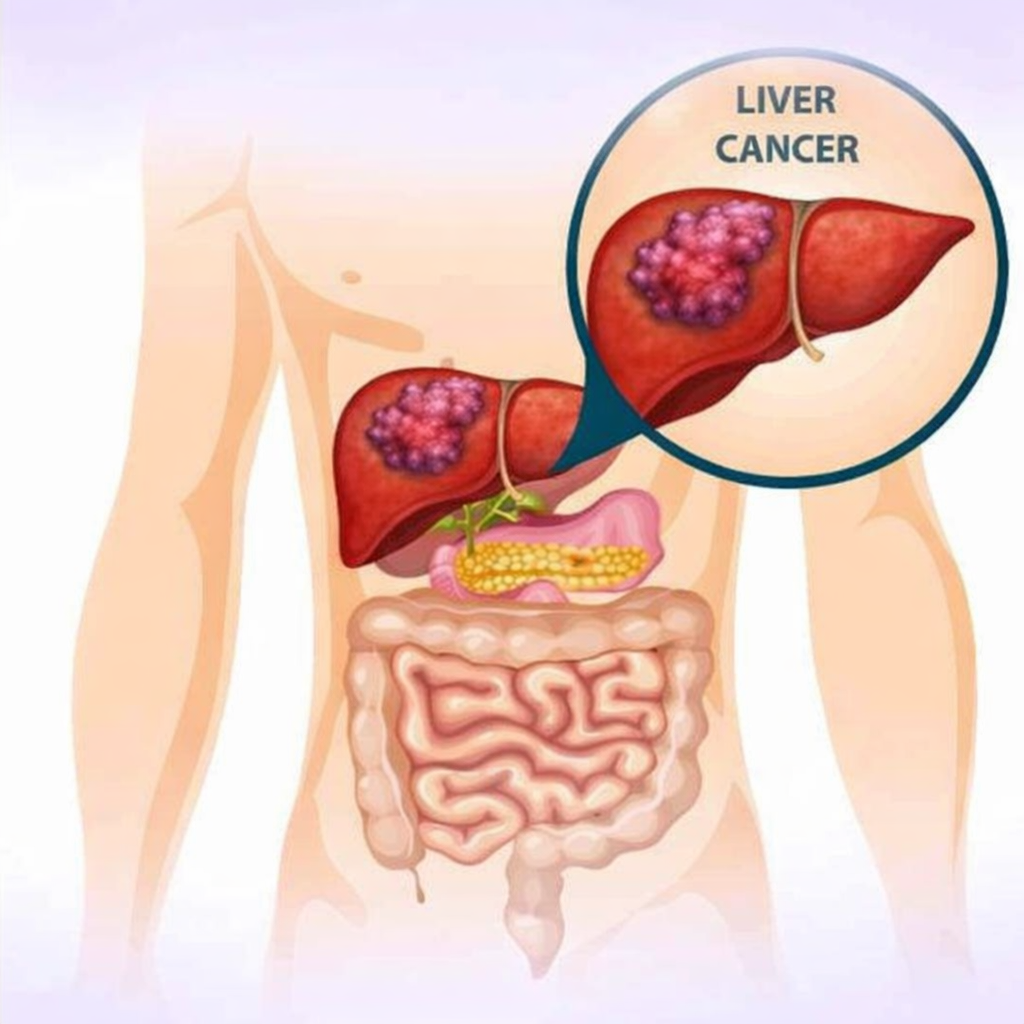
Liver cancer is defined as the abnormal growth of cells in the liver with no control over the cells. The liver is an important organ that detoxifies blood, secretes bile for digestion, regulates metabolism, and stores some of the body’s energy requirements. When cancer develops in the liver, the consequences can be damaging to your overall health and chances of survival if not treated. Liver cancer requires timely, early diagnosis and treatment because in those early stages, the disease can progress quite quietly. 

Most patients are diagnosed only when they develop symptoms, and during this, there’s a good likelihood that the cancer has progressed. Identifying liver cancer early increases treatment options, the possibility of curative therapies and long-term survival. Liver cancer is one of the most prevalent cancers globally, especially in places with a high prevalence of chronic liver disease. It occurs more often in men than in women and is frequently related to coexisting liver disease such as cirrhosis or viral hepatitis. 

Bangalore has become one of the world’s leading centres for sophisticated liver cancer care, where oncologists, hepatobiliary surgeons, and modern diagnostic and therapeutic technologies work together, utilising advanced techniques and screening approaches for oncology and hepatobiliary cancer. Effective management of this highly involved disease requires multidisciplinary care and expertise.

What Are the Symptoms of Liver Cancer?

  • List early symptoms

Early-stage liver cancer may lead to mild or nonspecific symptoms such as:

  • Loss of appetite
  • Unexplained weight loss
  • Persistent fatigue or weakness
  • Mild abdominal discomfort
  • Nausea or vomiting
  • List advanced symptoms


As the disease progresses, the symptoms may become more evident, for example:

  •   Pain or swelling in the upper right abdomen
  •   Yellowing of the skin and eyes (jaundice)
  •   Abdominal bloating due to fluid accumulation (ascites)
  •   Dark urine and pale stools
  •   Fever without infection
  •   Easy bruising or bleeding

What Are the Risk Factors for Liver Cancer?

Several factors make individuals more prone to developing liver cancer:

Lifestyle-Related Risks

  • Excessive alcohol consumption
  • Obesity and a sedentary lifestyle
  • Poor dietary habits

Genetic or Hereditary Risks

  • Family history of liver cancer
  • Inherited metabolic diseases

Medical Conditions

  • Liver cirrhosis
  • Chronic liver disease
  • Diabetes
  • Non-alcoholic fatty liver disease (NAFLD)

Environmental or Viral Causes

  • Chronic hepatitis B (HBV) or hepatitis C (HCV) infection
  • Liver damage from alcohol over the long term
  • Exposure to some toxins or chemicals
  • Metabolic syndrome-related fatty liver disease

Types of Liver cancer

  • Liver cancer may be divided into primary and secondary types

    • Primary Liver Cancers

    These are cancers of the liver itself:

    Hepatocellular Carcinoma (HCC): The most common form, originating from liver cells. Cholangiocarcinoma: Cancer of the bile ducts in the liver.

    Angiosarcoma: A rare cancer that stems from blood vessels.

    Hepatoblastoma: A rare type that is predominantly seen in children.

    • Secondary (Metastatic) Liver Cancers

    These occur when the cancer spreads to the liver from the colon, lung, breast or pancreas. 


How Is Liver Cancer Diagnosed?

Clinical Examination – During the examination, the doctor assesses physical symptomology, medical history and signs of liver disease.

Imaging Tests

  • Ultrasound of the abdomen
  • CT scan for detailed liver imaging
  • MRI for tumour characterisation
  • PET-CT for advanced staging and metastasis detection

Laboratory Tests

Liver Function Tests (LFTs)

Alpha-fetoprotein (AFP) levels

Serum viral markers related to hepatitis B and C.

Biopsy

If imaging is inconclusive, a liver biopsy may be done to confirm the diagnosis.

Advanced Diagnostic Tools

Specialist imaging and staging studies are performed to evaluate tumour size, vascular involvement, and liver reserve. 

Stages / Severity Levels of Liver cancer

Staging of liver cancer assists to control disease severity and direct treatment.

Common Staging Systems

Stage 0–IV system

  •   BCLC (Barcelona Clinic Liver Cancer) staging

Small tumors in the liver.

  •   Intermediate Stage: Multiple tumours without vascular invasion.

Advanced stage

  •   Spreading to blood vessels or neighbouring organs.

End Stage

Widespread disease with liver damage or impairment.

Staging is crucial for assessing tumour burden, liver function, and lifestyle (health), and it is a factor in therapy selection. 

Liver cancer Treatment Options in Bangalore

Treatment of liver cancer is highly specialised and sensitive to the cancer stage, tumour volume, liver functional status, patient condition, and capacity.

Available Treatment Modalities

  • Surgery
  • Liver transplantation
  • Localised ablation therapies
  • Targeted drug therapy
  • Immunotherapy
  • Radiation therapy
  • Systemic chemotherapy

The advanced liver cancer therapeutics of Bangalore are supported by multidisciplinary tumour boards and modern medical infrastructure. 

Surgery for Liver cancer (if applicable)

Types of Liver Cancer Surgeries

  • Liver Resection: removal of the cancerous part of the liver.
  • Liver Transplantation: The exchange of a diseased liver with the normal liver of a donor.
  • Minimally Invasive Liver Surgery: Laparoscopic or robotic-assisted procedures.

When Is Surgery Considered?

Surgery is the best option for early-stage liver cancer in patients with good liver function.

Potential benefits

  • Curative treatment in eligible patients
  • Improved survival outcomes
  • Preservation of healthy liver tissue 

Expected Recovery Timeline

Recovery typically takes several weeks, with a gradual return to normal activities under medical supervision. 

Other Treatment Approaches

Medication / Systemic Therapy

Drugs that slow cancer growth or control advanced disease.

Chemotherapy / TACE

  •   Transarterial Chemoembolization (TACE) delivers chemotherapy directly to the tumour.

Radiation Therapy

  •   Advanced methods such as SBRT target tumours precisely while sparing healthy tissue.

Targeted Therapy

  •   Targets specific pathways involved in cancer growth.

Immunotherapy

  •   Enhances the immune system’s ability to fight cancer.

Minimally Invasive Procedures

  1. Radiofrequency Ablation (RFA)
  2. Microwave Ablation
  3. Selective Internal Radiation Therapy (SIRT).  

Life After Treatment/Recovery & Follow-up Care

Life after liver cancer treatment requires ongoing care and lifestyle modifications.

Follow-up and Recovery –

  • Regular imaging and blood tests
  • Monitoring liver function
  • Nutritional counselling and diet management
  • Avoidance of alcohol and liver-toxic substances
  • Physical rehabilitation
  • Emotional and Psychological Support

Support for patients and families is vital for long-term recovery and quality of life.

Long-Term Prognosis – Outcomes depend on cancer stage, liver health, and response to treatment.  

Why Choose Dr Pavan Sugoor for Liver Cancer Treatment in Bangalore?

  • Dr. Pavan Sugoor is a highly experienced specialist in liver cancer management who offers comprehensive and personalised care.

    Key Advantages

    •   Extensive experience in managing complex liver cancers
    •   Expertise in surgical oncology and GI oncology
    •   Advanced minimally invasive and image-guided techniques
    •   Proven patient outcomes and success stories
    •   Integrated multidisciplinary care approach
    •   Convenient access for patients across Bangalore and surrounding regions.  

FAQ

TESTIMONIALS

Lorem ipsum dolor sit amet, consectetur adipiscing elit. Ut elit tellus, luctus nec ullamcorper mattis, pulvinar dapibus leo.

LATEST UPDATES & VIDEOS

Cart(0 items)

No products in the cart.